Behaviour is communication from the nervous system.
My specialist area is sensory and regulation work with children and adults — assessments, parent and carer coaching, and practical tools for home and school. This is also the home of my books, the Calm & Connected show, apps and free resources.
The principles behind the practice.
Behaviour is communication
It isn't simply about behaviour. There is a fascinating neurological explanation underneath it.
Understanding changes the response
When we understand the nervous system, we respond with connection instead of frustration.
Children borrow our calm
They borrow our regulation before they are able to build their own.
Connection comes first
Regulation follows connection — never the other way around.
Books by Yana Albino
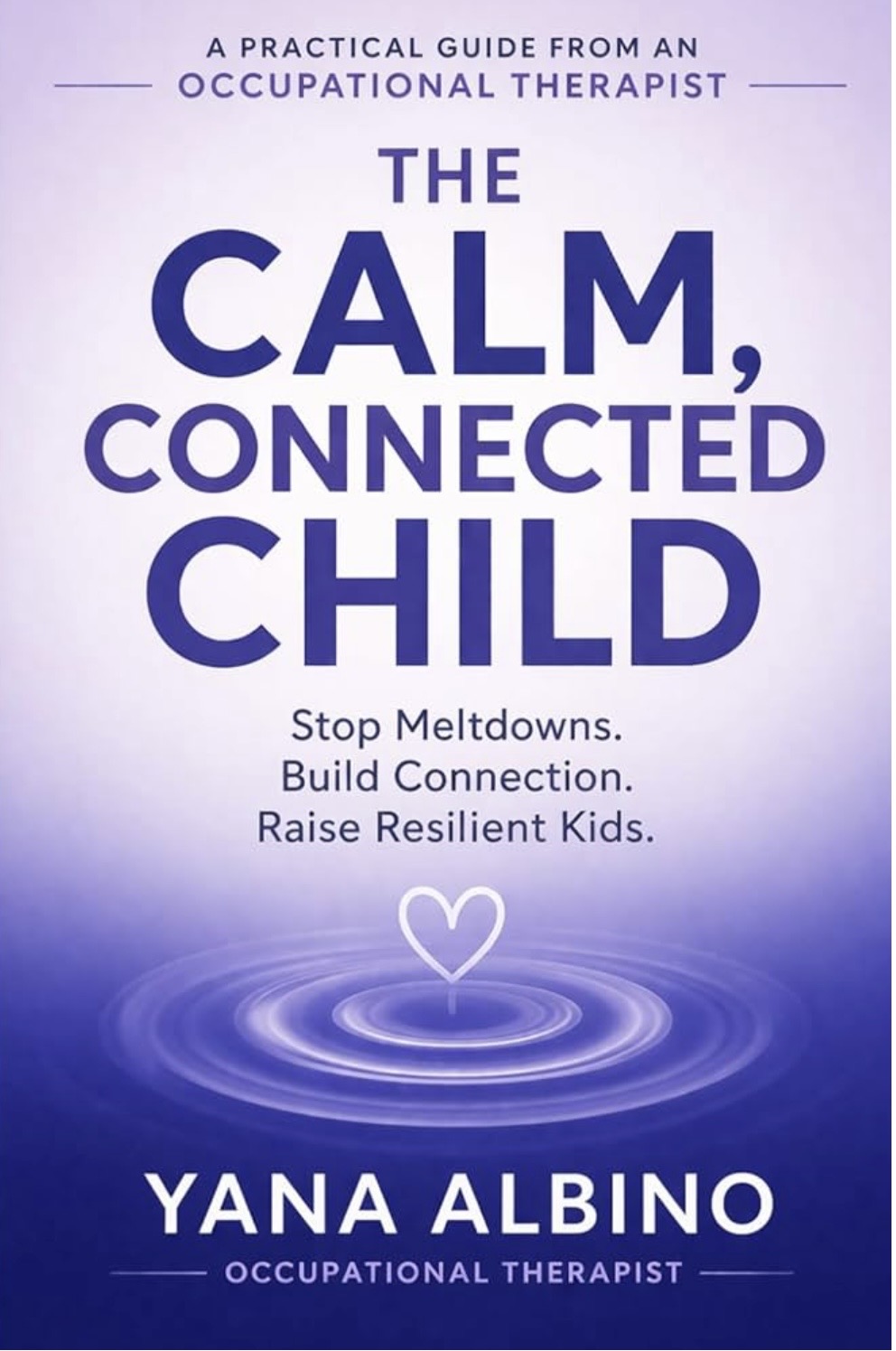
The Calm, Connected Child
Stop meltdowns. Build connection. Raise resilient kids. A practical guide from an occupational therapist, for parents, educators and anyone who works with children.
- ★★★★★"An amazing insight to human behaviour, emotions and nervous systems. It explains safety, connection, regulation and repair in a way that changes how you respond."— Occupational Therapist
- ★★★★★"A marvellous book — full of practical explanations and examples for emotional and behavioural challenges."— Verified reader
- ★★★★★"Clear and comprehensive neurology behind behaviour. Relevant for adults with trauma and challenging behaviour, as well as for children."— Physiotherapist & Homeless Case Worker
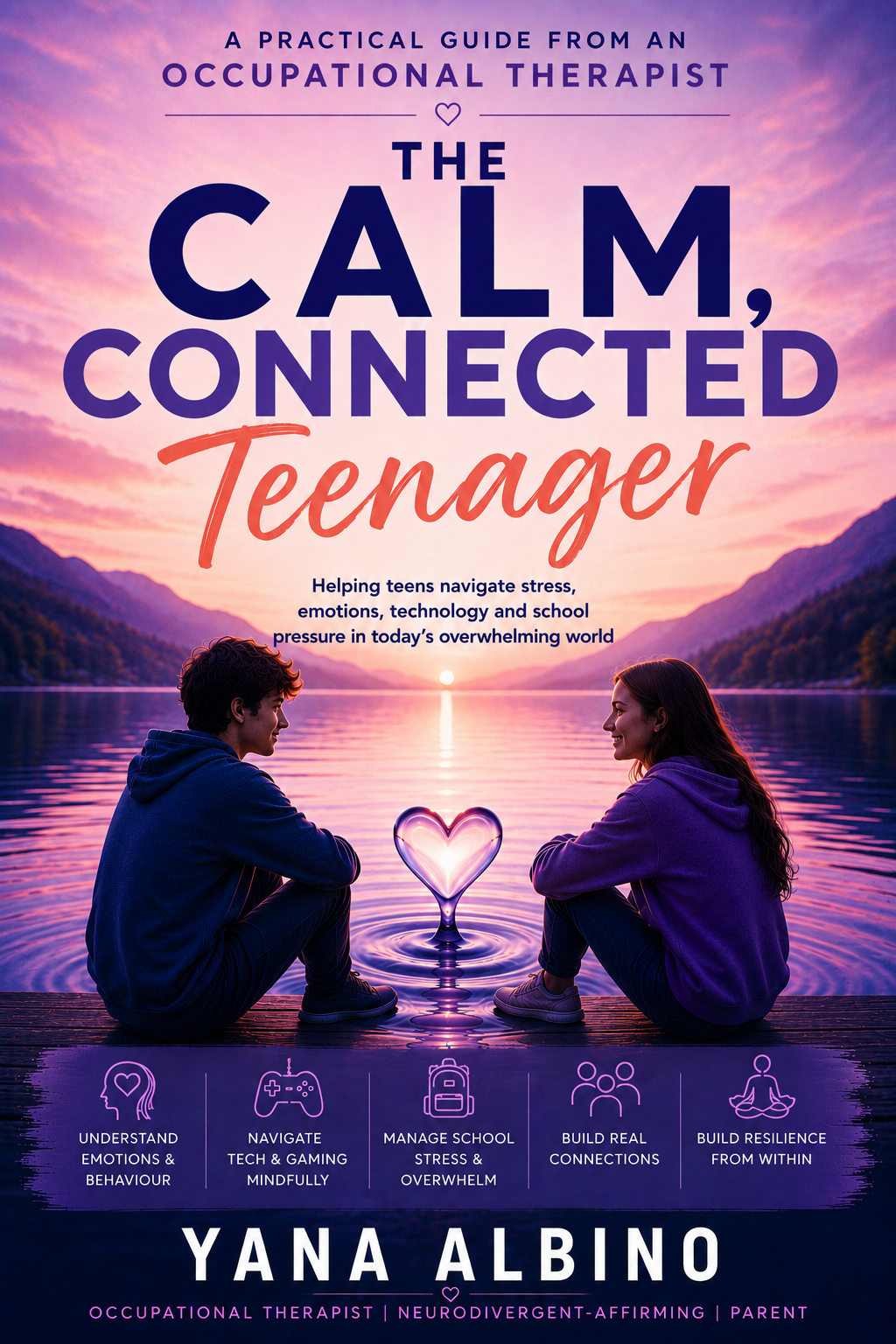
The Calm, Connected Teenager
Helping teens navigate stress, emotions, technology and school pressure in today's overwhelming world. A practical, neurodivergent-affirming guide for adolescents, parents and professionals.
- ★★★★★"A must-read for every parent. Clear, compassionate and life-changing."— Parent
- ★★★★★"Finally, a book that explains the why behind behaviour so perfectly."— Parent
- ★★★★★"The CALM Framework is a game changer for our family."— Parent
Sign up to be the first to hear when advance copies are available at a discounted price.
Calm & Connected with Isla Hope
Original songs, gentle neuroscience and stories that help children feel safe, seen and regulated. New episodes every week.
Help make a difference by testing the apps and feeding back.
These tools are being built right now. If you are a parent, carer, educator or clinician, your real-world feedback will shape how they work.
Sensory Garden
A playful, visual way for families and professionals to notice sensory patterns, explore regulation ideas and share what they see with school and clinicians.
In This Moment
The CALM framework in your pocket — in-the-moment prompts for meltdowns, transitions and overwhelm.
Breathing App
Guided breathing patterns to settle the nervous system — for children, adults and the people supporting them.
Paediatric Sensory Profile
For children with acquired brain injury and/or cerebral palsy — combining caregiver report, clinical observation and postural context.
Join the waitlist →Want to join the testing group, or already tried an app? Share your comments and the device you use — your feedback helps these tools reach the families and professionals who need them.
Leave feedback or commentsResources
Articles, practical strategies and free downloads for parents, carers, educators and professionals.
In This Moment
A short reflection on showing up in the here-and-now with children who need co-regulation.
Latest note
A recent reflection from the Regulate & Rehabilitate OT Substack.
Understanding ADHD: what if the behaviour isn't the problem?
The full neuroscience article on why behaviour is a clue, not the problem — free to read.
Sensory processing, explained for parents
How the sensory systems shape everyday behaviour, sleep, eating and school days.
The CALM Framework for meltdowns
A four-step approach you can use in the moment to lower distress and rebuild connection.
Regulation ideas for mornings and bedtimes
Small, low-effort changes to the hardest parts of the family day.
The Quiet Magic of Breath
Simple guided breathing patterns to settle the nervous system — for children, adults and the adults supporting them.
Visual supports, guides and checklists
Printable visual supports and activity ideas you can use right away.
Sensory strategies for the classroom
Trauma-informed, neurodiversity-affirming ideas for teachers and support staff.